LATIN AND FRENCH
The heavy lenders
Even the Anglo-Saxons borrowed from Latin: fork, street and wine. After the Norman Conquest came French words such as government, pay, science and war.
See the numbers broborrow

WORDS ON LOAN
Even the word loan is borrowed.
A loanword is a word taken from one language and used in another. English has taken them from Latin, French, Old Norse and, today, from languages all over the world, and most of them never went back.
ON LOAN since the Vikings
Guess the sourceTHE SHORT ANSWER
Latin and French dominate in almost every period.
Other languages left fewer words, but some of the most everyday ones.
LATIN AND FRENCH
Even the Anglo-Saxons borrowed from Latin: fork, street and wine. After the Norman Conquest came French words such as government, pay, science and war.
See the numbersOLD NORSE
Scandinavian settlers left sky, egg, skirt and window, and even they, their and them. Estimates of surviving Norse loanwords range from 600 to 900.
Guess the sourceWORLDWIDE
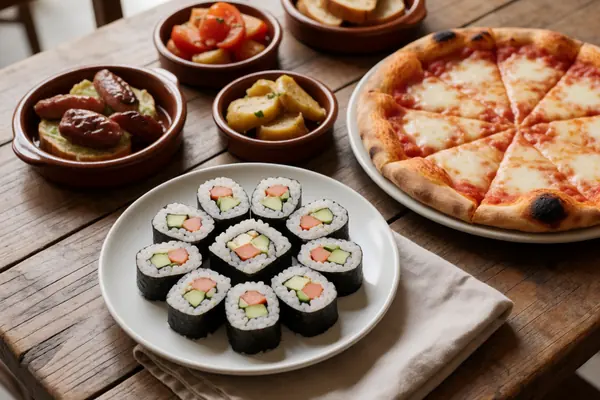
Today English borrows from all over the world. Recent food loanwords include sushi, tapas, chapatti and pizza, usually kept in their original form.
Spot a loanword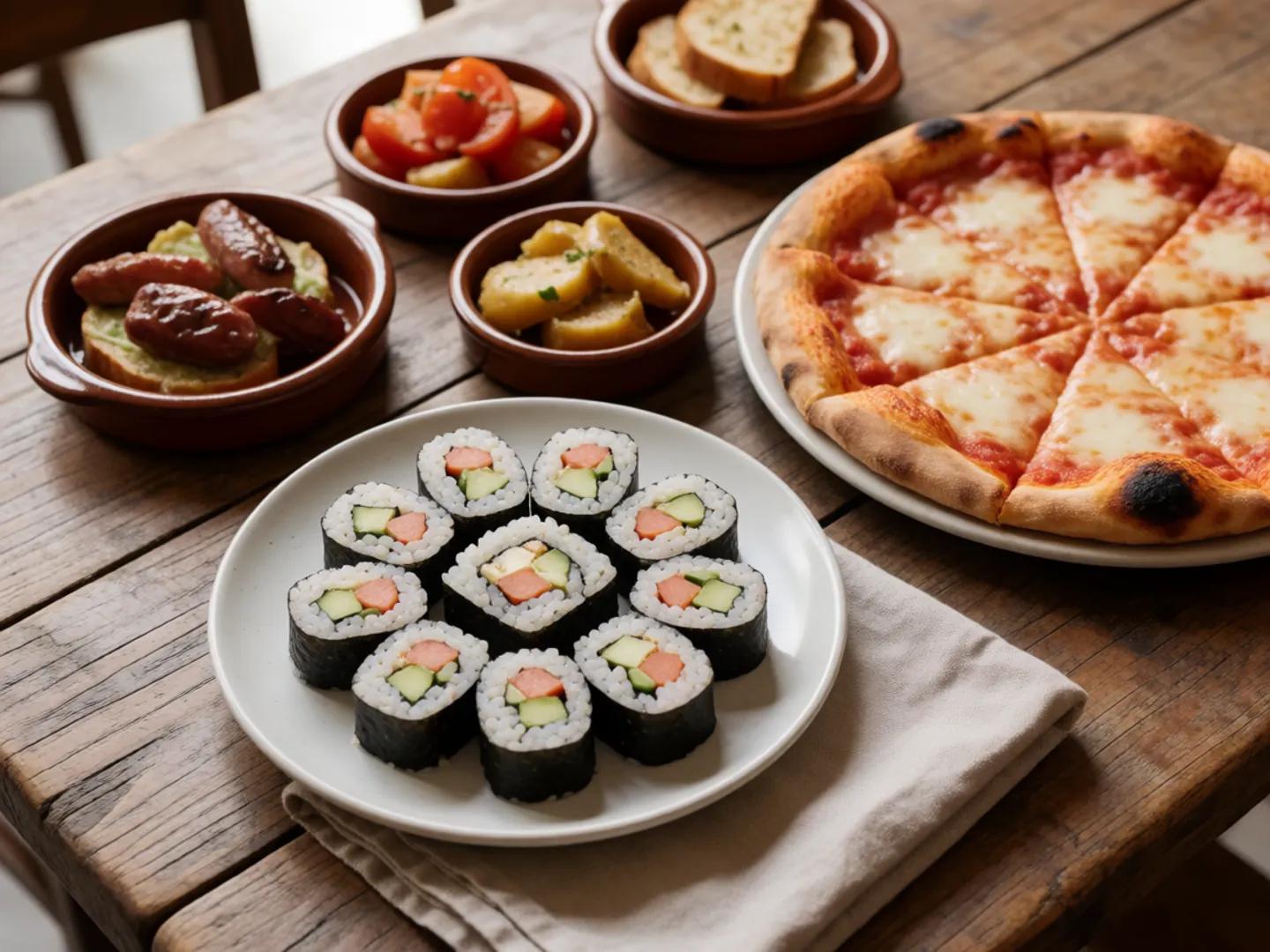
FOUR WAYS TO SPOT ONE
Many loanwords have settled in so well that nobody notices them. A few clues help you tell the newer arrivals.
Some loanwords keep marks from their original spelling, like the diacritic in the French naïveté.
We often say loanwords more like English words, but some keep a sound from the language they came from.
We usually leave loanwords unchanged, though countable ones take an English plural: pizzas, chapattis.
An etymology entry shows where and roughly when a word arrived, and whether it came through another language first.
TWO NUMBERS WORTH KNOWING
One figure on everyday vocabulary,
one on the Viking legacy.
nearly 50%
Share of the 1,000 most used English words from French or Latin
Among the 1,000 most frequently used words in modern English, not far short of 50 percent came into the language from French or Latin, based on Oxford English Dictionary data.
COMMON WORDS · BORROWED WORDS
600–900
Estimated Old Norse loanwords surviving in English
Researchers since the 19th century have tried to count them. Estimates range from 600 to 900, including die, egg, law, leg, loan, sky, take and they.
VIKING WORDS · DANCE (2013)
Numbers do not tell the whole story: the total from early Scandinavian is relatively low, but it includes some of the most intimate words in English, such as leg, skin, sky and they.
GUESS THE SOURCE
Pick an everyday word to see which language English borrowed it from. The bar shows roughly how long it has been part of English.
Word origins as given by the sources below. Some words came partly from French and partly from Latin.
VIKINGS IN THE VOCABULARY
Old English and Old Norse were both Germanic languages, and the University of Nottingham notes that their speakers could, to a certain extent, understand one another. That closeness helped Norse words slip into everyday English.
It also makes them hard to prove. Richard Dance of the University of Cambridge sorts candidate words into four groups, from clear sound-change evidence to obscure etymologies, and says listening for the Vikings needs a selective and discriminating ear.
Questions
The Cambridge Dictionary defines a loanword as a word taken from one language and used in another, such as the French naïveté.
Latin and French dominate in almost every period of English, according to Oxford English Dictionary data summarised in Borrowed Words. English has also borrowed from Greek, German, Spanish, Italian, Dutch, Old Norse and Japanese.
Yes. Words such as sky, egg, skirt and window come from Old Norse, and so do the pronouns they, their and them. Estimates of surviving Norse loanwords range from 600 to 900.
Yes. Loan appears in the list of Old Norse loanwords that survive in modern English, alongside die, egg, law, leg, meek, seem, sky, take, they and till.
Yes, now with a global sweep. Borrowing from Japanese has grown over the past century, and recent food loanwords include sushi, tapas, chapatti and pizza.
Updated
ABOUT THIS NAME
broborrow.com is part of the DoodleSale portfolio. It isn't in an auction right now, but you can ask about leasing it.